
Well Sh!t, The Staff Wants to Unionize Pt 1
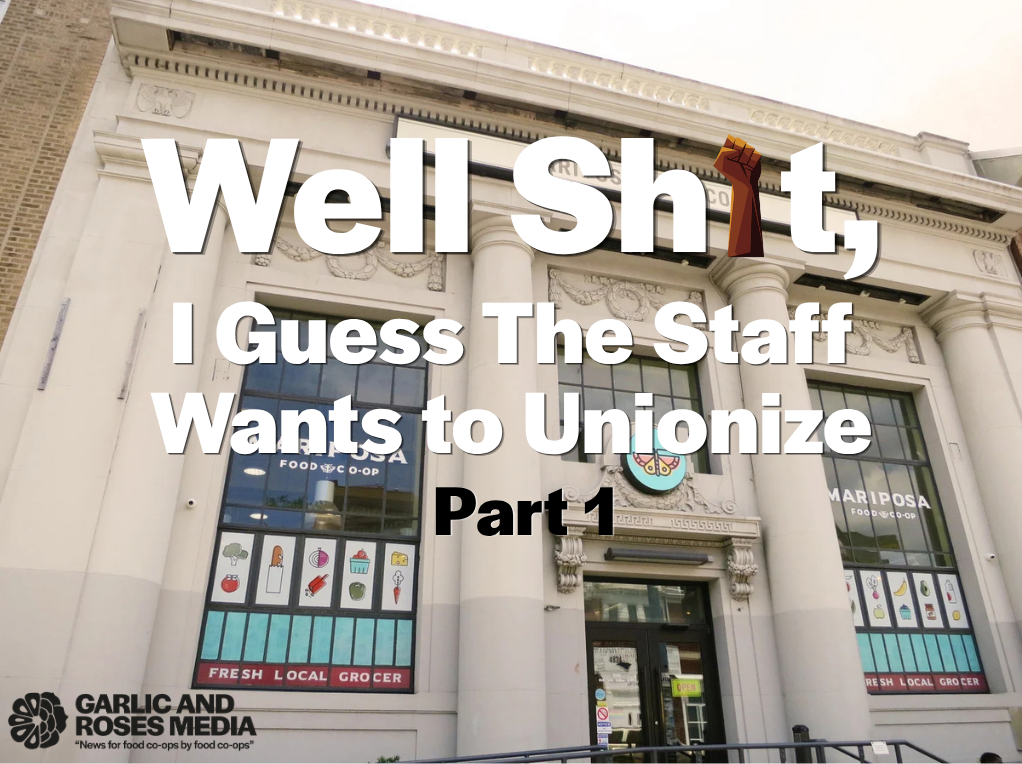
It was nearing the end of the pandemic, and I was feeling really proud of our co-op. I looked at all of the ways we had worked to protect the safety of our staff and our shoppers: we were limiting the number of people in the store, paying our staff hazard pay, separating the staff into teams to limit contact and minimize the chances of spreading COVID. We even provided additional paid time off and we gave staff a bonus when we received some tax relief funds.
So, when I got called to go out in front of the building to be met by a group of folks from UFCW telling me that our staff wanted to unionize, I was shocked at first. They handed me the “demand to recognize” letter and I chatted with them for a little while and I thought “Well shit, I guess the staff wanna unionize.”
I barely remember what we talked about because my body began to flood with emotions. I was confused and wondered what I and/or the co-op had been doing wrong. We as managers and cooperators, are always told that if you’re doing everything right, your staff will never need to unionize. I was also proud of the staff for coming together and organizing. I was excited that we’d be the first unionized grocery co-op in Philly, and I was overwhelmed thinking about the amount of work and time we’d be putting into the first contract negotiations.
As a former UFCW member myself at another co-op, seeing how intense negotiations could be, I wondered what it would be like to be on the other side of the table now. It was a position I never really thought I'd be in. To be honest, I had to go through a lot of internal conflict between this being such a cool thing that will be a great experience, and thinking we had been doing all the right things and being in disbelief that the staff did this. I knew I would really have to humble myself, be open to hearing staff concerns, and work hard to get a good contract that worked for the staff, for the managers, and for the co-op as a whole.
The next couple of weeks were tense. We didn’t know who on staff had begun the organizing or what the concerns were, and we didn’t know how many of the staff were on board with unionizing. We couldn’t ask any questions or say anything that would make it seem like we were not in support of this. And we really had no idea what to expect next.
We knew we needed a good lawyer to help us understand the process and to help us negotiate a first contract. The lawyer needed to be someone who understood our values and knew we were not looking to fight the union, but that we wanted to build a relationship with them. We also wanted to be sure that the majority of the staff wanted to unionize so we asked for an official card count then voluntarily recognized the union. Now it was time to start planning for negotiations.
It was weeks of meeting with the lawyer and planning our approach. All along the way the lawyer kept asking us what we thought the issues were or what we thought the staff were going to ask for. We were genuinely unsure. We assumed it may be related to pandemic protections or pay, but we just didn’t know anything for sure. All we could do was prepare some general proposals that are typically in a collective bargaining agreement and wait to see what the staff were going to ask for and respond accordingly. We came up with proposals for our management rights, and some other key components then started scheduling negotiation dates. We thought, soon enough we’ll get to the real reasons why staff organized.
Next in Part 2: Meet at the table.

Comments ()