
Organic Produce Summit Recap
Retailers, growers, wholesalers and more flocked to beautiful Monterey, CA on a sunny week in July for the 10th annual Organic Produce Summit. The conference is located strategically nearby California's Salinas Valley, known as America's Salad Bowl. The three day conference offered networking, educational opportunities and a show floor featuring all the biggest names in organic growing and distribution throughout North America.
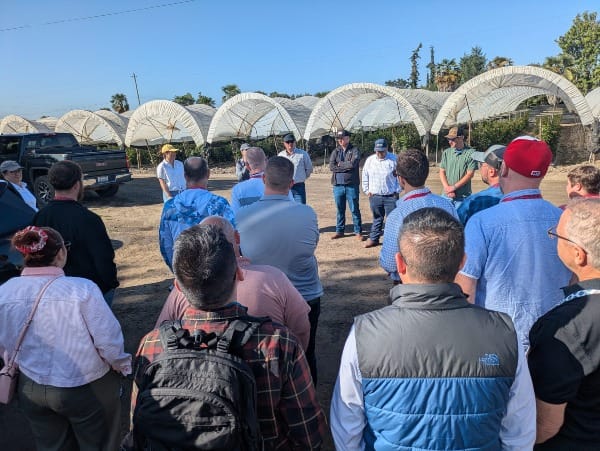
The Wednesday highlight of the conference was undoubtedly the field tours. The 2026 edition featured tours of Earthbound Farm, whose offerings include a variety of leafy greens, and Nature Fresh, who specialized in greenhouse crops. I attended the Driscoll's tour to check out their famous berries.
Our first stop was an organic blackberry ranch. The farm grew Driscoll's current blackberry varietal, as well as a small amount of experimental new breeds under open-air tarped coverings. The head rancher informed the group that organic farmland cost roughly $10,000 more per acre to farm than conventional farmland. Those economics mean that a climate like central California that offers year-round growing is crucial for these products.
The berries are picked roughly every 5 days. The heartiest berries are sent on the 3-day journey to the East Coast. The ranch has experienced pickers who work season after season and have a sharp eye for quality. The head rancher said that the tiny balls of a blackberry, known as drupelets, can visually give clues to the berry's taste. The larger the drupelets, the sweeter the berry.
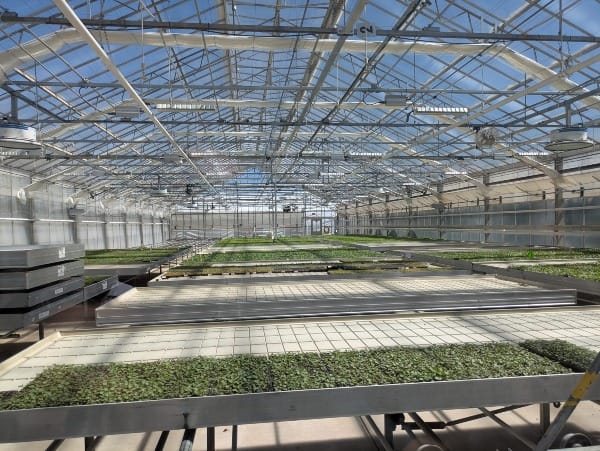
From there the group traveled to the Driscoll's Nursery facility. The private organic facility contained "mother plants" for each variety of berry currently grown for Driscoll's. These mother plants were trimmed at the nursery, and the trimmings were each carefully replanted to begin a new plant. The plants grew in the nursery's greenhouse until they were hearty enough to be sent out to farms across the globe. This system allows Driscoll's to control for variety and quality across a variety of growing regions.
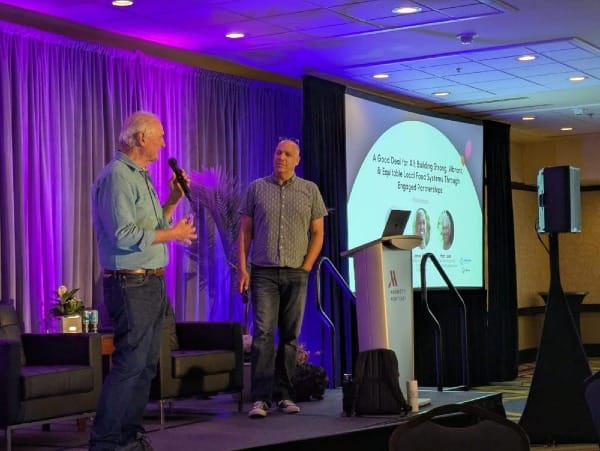
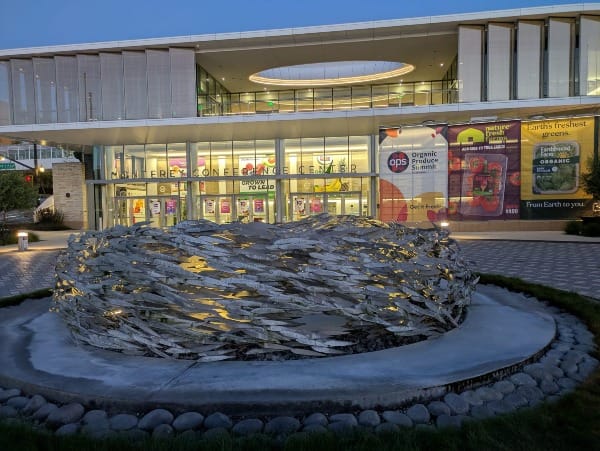
Following the tours, the educational seminars began. The sessions took place across the street from the Monterey Convention Center that would host the Expo show floor the next day. A workshop style session was titled A Good Deal For All: Building Strong, Vibrant, & Equitable Local Food Systems Through Engaged Partnerships. The session was hosted by produce consultants Mark Mulcahy and James Morrel, and Matt Landi from the Organic Trade Association.
The workshop split the room into tables with a series of prompts that eventually led to the design of a local food system. The individual table notes on large posters eventually made up a tapestry of dozens of ideas for bettering the growing and buying of locally grown produce.
Thursday offered attendees a second bite at the apple to learn about what is happening in organic retailing. A panel featuring retailers from Sprouts, Save Mart and Northeast Shared Services discussed buying challenges and seasonality for large scale retailers. The panel talked about needing to finalize November buying and sales discounts as soon as late July.
I presented on a panel titled The Organic Advantage: Communicating Value to Consumers in a Shifting Retail Landscape. The panel also featured experts from Equifruit, CCOF Foundation and the Organic Trade Association. We discussed the differences between the authenticity and buying practices of co-ops and independent grocers compared to chain stores.
The keynotes were next. The conference utilized the historic Monterey Garden State Theater for two keynote sessions. Chef Dan Barber from Row 7 Seed Company delivered a highly entertaining interview about his foodie-inspired journey to understand plant breeding. The result is new offerings like Garleek, a leek bred with garlic.
Mark Mulcahy returned to moderate the keynote panel on innovative retail and distribution strategies. Abhi Ramesh from Misfits Markets discussed their mission to take 'ugly' or 'seconds' produce that was often discarded and sell it at a discount. Mike Downey from Military Produce Group discussed sourcing and distributing produce for over 90 military commissaries around the country.
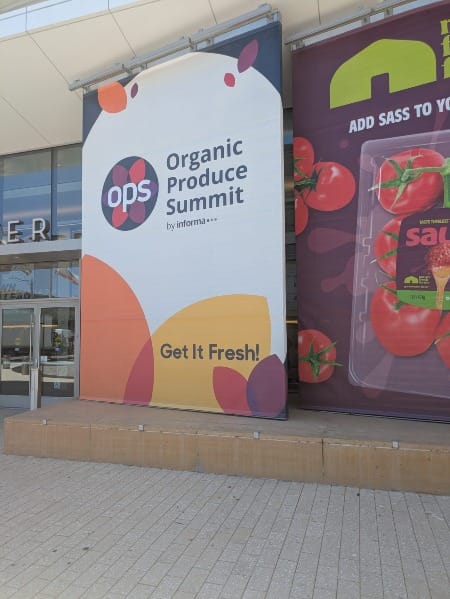
Last but not least, there was the Expo show floor. With fresh produce as a feature, the Organic Produce Summit has much shorter show floor hours than other shows like Expo West. But that just makes the time all the more special. The show floor was abuzz with conversation and overfilled with delicious and beautiful produce. Equifruit, purveyors of 'badass bananas', were offering palm readings. Wholesalers like Four Seasons and organic produce companies like Olivia's Organics and Natalie's showed off their latest offerings.
The show was an incredible opportunity to get closer to where so much organic produce is grown in America and learn about a subset of the food system that is continuing to grow each year. The demand for organic produce hasn't yet leveled off, so a show that offers the industry an opportunity to learn how to grow and sell even more organic fruits and vegetables is as relevant as ever.
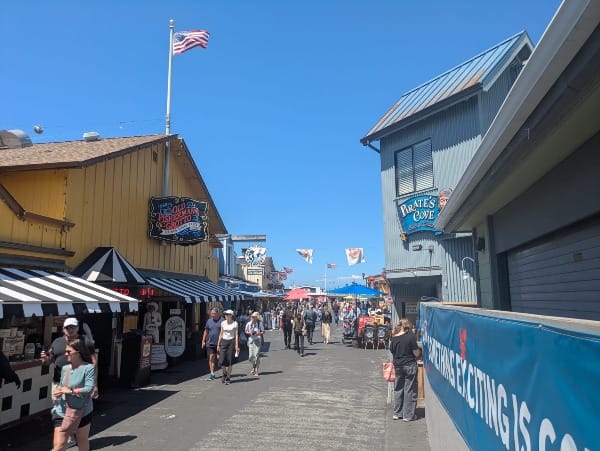
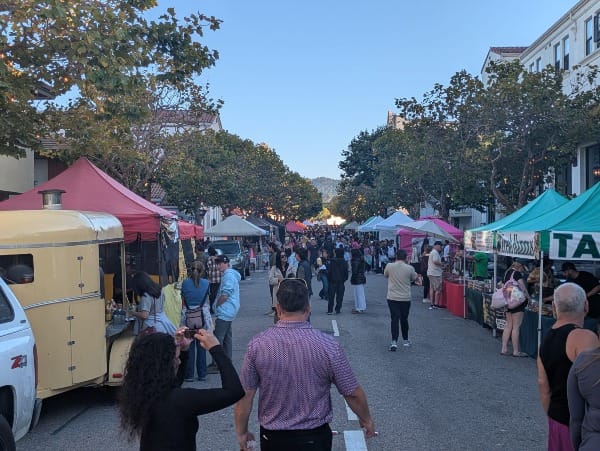
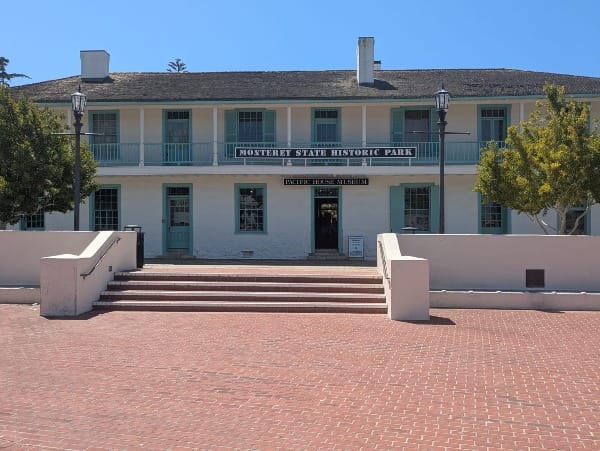
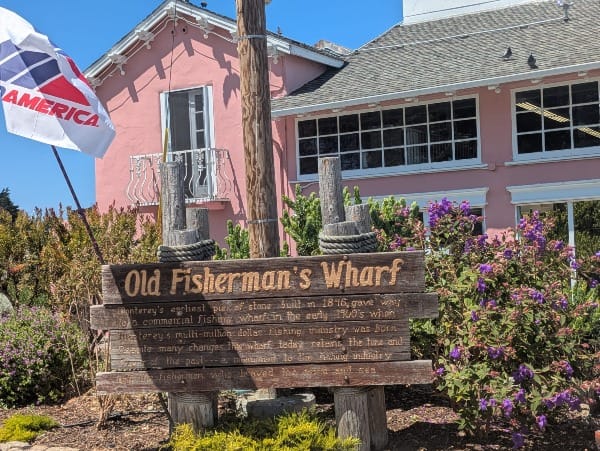
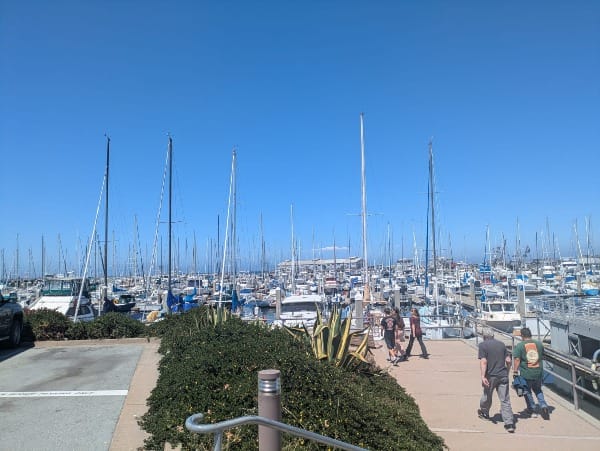
Photos of Monterey

Comments ()