Local Is as Local Does: Lessons from Produce Buyers at Five Urban Food Co-ops
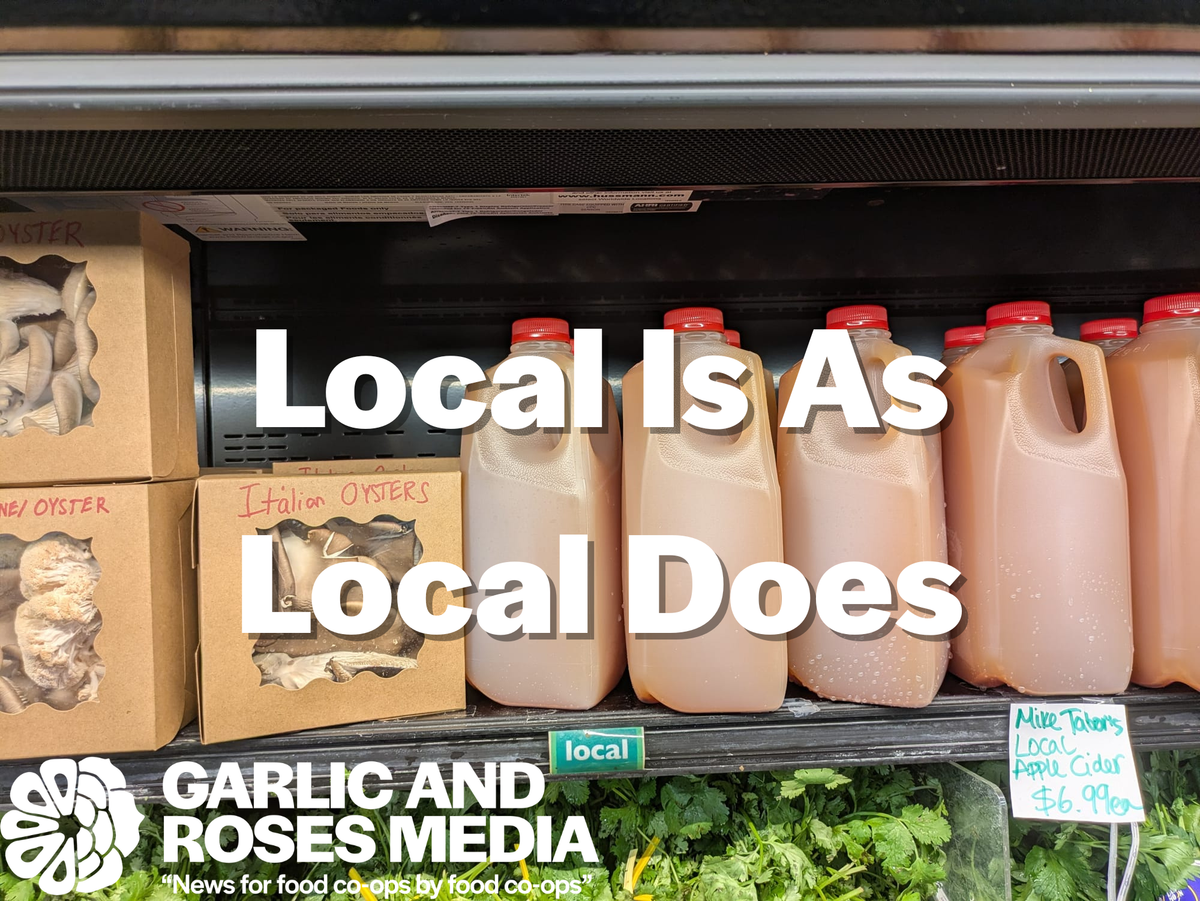
The National Cooperative Grocers Association reports that its members sell on average over 10 times the local products that conventional grocers do. As consumer-owned grocery stores, food co-ops have a unique opportunity to contribute to their local economy while delivering great value to their members. Many co-ops name local purchasing as a value or end that they want to meet. And even though it can be a headache to manage seasonality and multiple vendors and deliveries, the payoff is delicious food and strengthened relationships. It’s also not just “feel-good” or luxury stuff – as the Covid-19 pandemic and avian flu taught us, having strong provider networks outside of the efficient-but-fragile mainstream can mean the difference between having food to sell or bare shelves. I caught up with five GMs or produce buyers at Northeast food co-ops to ask them to share all the gory details of how they make “local” work.
Just as each co-op, and even each store, is adapted to its members and shoppers, each local produce purchasing effort is unique as well. “Local” gets defined differently, from mileage to geographic borders. For Park Slope Food Co-op in Brooklyn, NY, the local radius is 500 miles, and stretches from Quebec to North Carolina to Ohio, while for Takoma Park Silver Spring, it’s 150 miles around the store. Whether an urban area is surrounded by farmland or is at the nexus of transportation networks also makes a difference to how food gets delivered to the store. One thing that urban food co-ops have in common, though, is their density of interested shoppers, who provide a reliable market for local producers.
How the produce department sets up vendor relationships varies a lot, even within a store. Some relationships are direct, with farmers sending their order sheets each week and making their own deliveries. Others are with distributors of local produce, such as Lancaster Farm Fresh, Common Market, or Four Seasons. Some co-ops set up meetings to go over what worked and what didn’t in the past season, and their wishlist for the coming season. While the co-op can make an extra effort to source locally, it’s still important that the logistics–including delivery reliability and packaging–keep the local sourcing viable over time. Flexibility will remain key–if one week a farmer is only able to send 30 cases instead of the 50 you planned for, you need a backup plan.
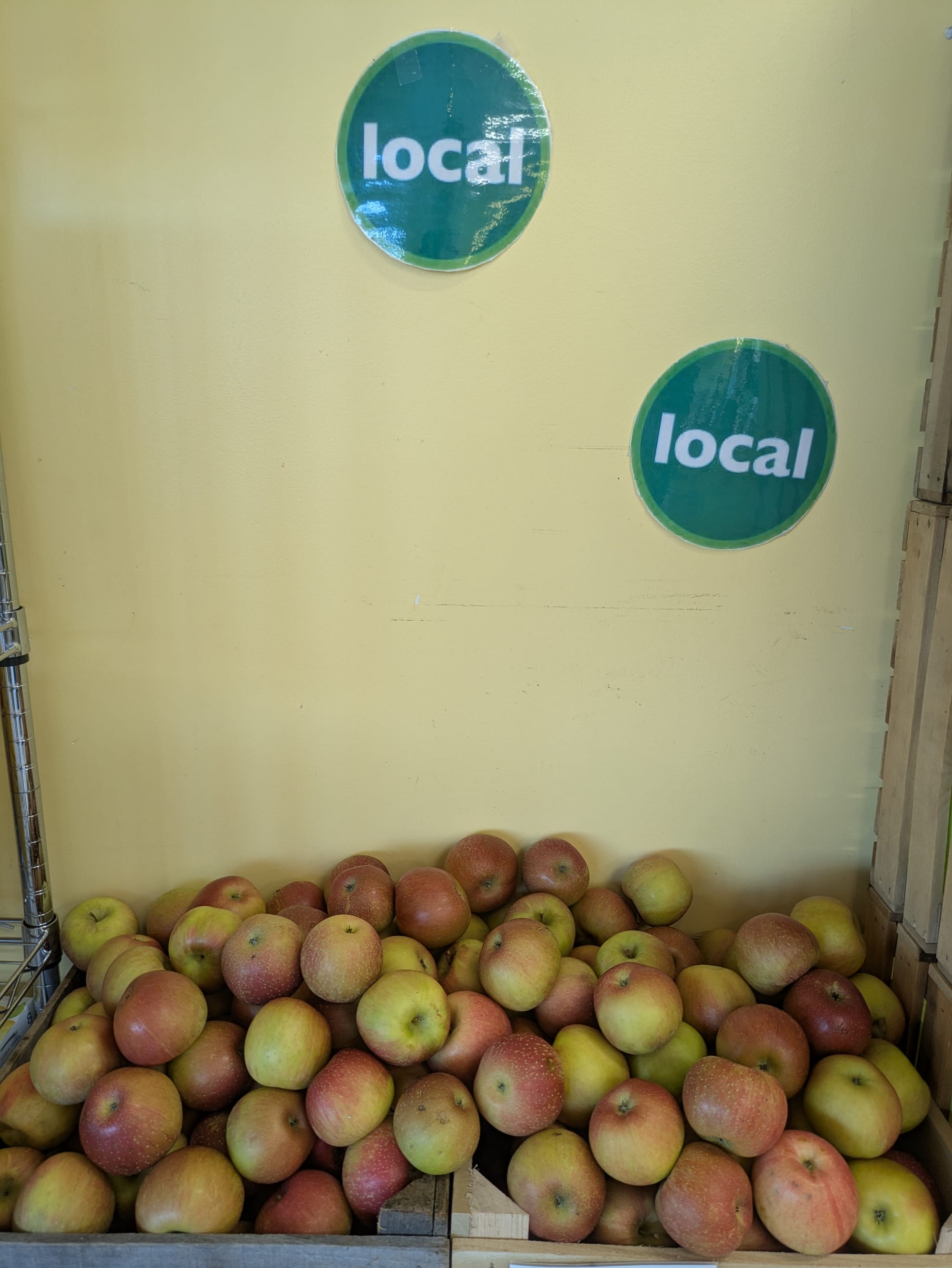
Because there is so much variability, but also because part of the value you’re offering to the community is connection, communication and education of consumers will be a large part of the local-buying effort. In addition to shelf call-outs and labels, co-ops highlight the stories of the farmers and sometimes invite farmers to come in and give tastings or demonstrations.
Balancing Act
Like any shared enterprise, a member-owned food co-op will be balancing multiple considerations, including affordability, fairness to farmers, and their own labor costs. Buying direct from farmers may increase the share of the dollar going to them, but it also increases the number of deliveries and opportunities for mistakes and breakdowns. Buying local may mean not buying certified organic, especially with the costs of organic certification going up. Buying in season means there won’t be raspberries in January. It’s great to emphasize the selection of local produce available at your store, as a point of differentiation with other supermarkets, but you also have to make sure shoppers can find and afford most of what they need with you, and won’t go elsewhere for price or selection.
Beyond the Produce Shelf
Few co-ops go to the lengths of Weaver’s Way in Philadelphia and start their own farm. Weaver’s Way operates two farm locations on 6.5 acres, which supply their stores as well as a farmers market and a Community Supported Agriculture (CSA) program. Several do try to incorporate local foods into other store aisles, such as prepared foods, deli and juice bars. But this can be challenging, given the tight turn-around and low margins. It’s more straightforward to sell value-added, stable products made with local produce, such as sauces and frozen foods.
Advice from the Pros
People who have been doing this a long time have plenty of specific advice for those who want to start a local-produce buying effort.
- Visit farms in person when possible. Seeing how they harvest, wash, and pack tells you more than any spec sheet ever could.
- Document everything and build historical notes by season and crop—what worked, what failed, and who came through when supply was tight. That record becomes gold over time.
- There is an outer limit to how much local you can sell. For example, in the Northeast, there’s not going to be local bananas, avocados, or olive oil. Similarly, there’s an outer limit to how many farmers you can support – each one is super unique but you can only sell so many ears of corn!
- Small farms are subject to various factors and limitations, from climate change to labor shortages, so there are going to be variations in quality and consistency that you need to accept.
- Talk to your suppliers, be a partner! Tell them where they need to land on price and reliability so we can all sell more.
- Taste everything. Eat a green bean out of the box. Not only will you enjoy it so much, you’ll be able to tell all your customers how fresh and delicious it is.
*Thanks to Mike Houston, TPSS, Jeremy DeChario, Syracuse Food Co-op, Tyler Kulp, East End Food Co-op, Jon Roesser, Weavers Way, and John Horsman, Park Slope Food Co-op for helping with this research