INFRA Co-op Profile: Prairie Food Co-op
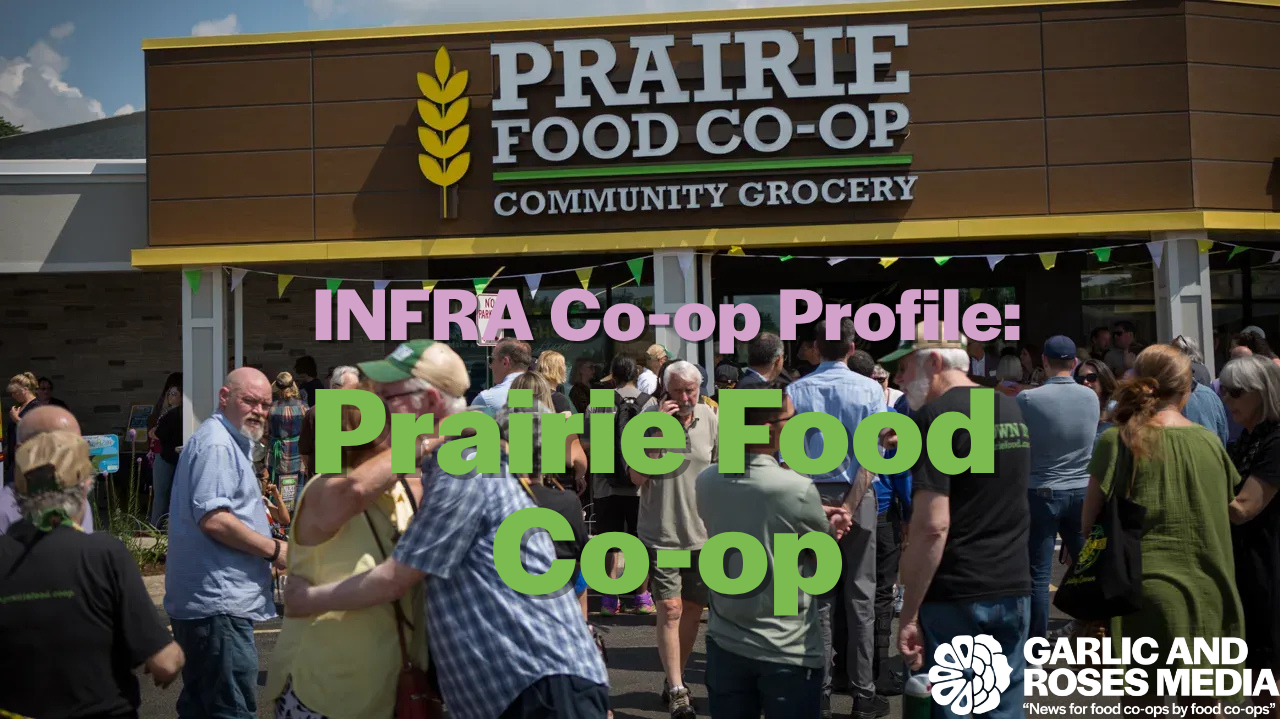
The National Co+op Grocers (NCG) is a business services cooperative with over 160 member co-ops that it supports. Not every co-op however is a member of NCG. The Independent Natural Foods Retailers Association (INFRA) is also a cooperative that supports 300 independent grocers with over 520 storefronts. Co-ops such as Mountain People’s Co-op in Colorado and Prairie Food Co-op in Illinois are INFRA members.
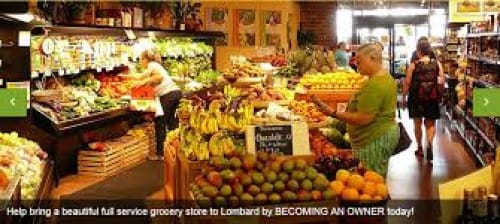
I was able to take a few minutes to speak with Gabriel Smith, General Manager of the Prairie Food Co-op in Lombard, IL. Prairie Food Co-op is about 5,000 sq ft retail, 7,200 total and is located around 20 miles west from the city center of Chicago.
Gabriel has worked at a variety of roles at Lexington Cooperative Market in Buffalo, NY and Syracuse Cooperative Market in Syracuse, NY. He has been working at Prairie since June 2025, in the immediate leadup to their opening.
Our conversation has been edited for length and clarity.
Jeremy DeChario (JD): Your co-op is a startup when did you open?
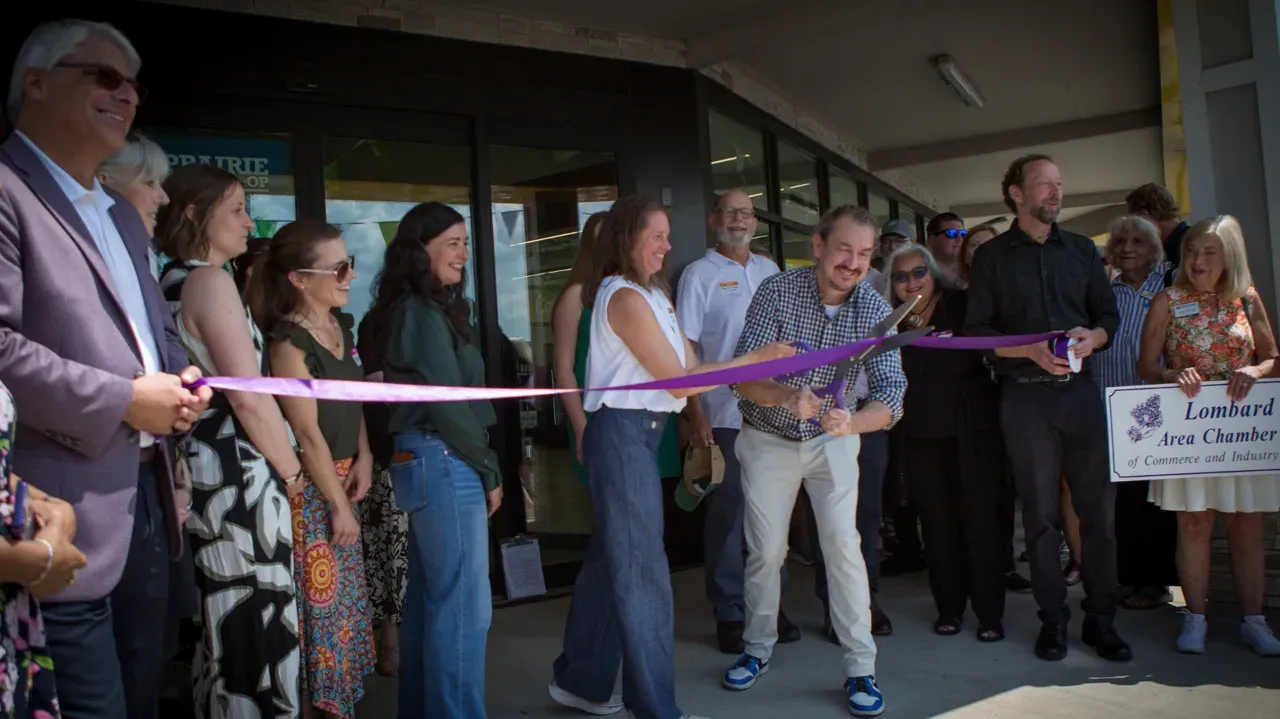
Gabriel Smith (GS): We opened July 9th, 2025, and I started June 2nd, so with about a month of lead time and no staff. We had to lean pretty heavily on INFRA and KeHe to do our initial set and order, which has its pros and cons, I guess.
JD: Yeah. What was that like? What do you feel was a positive? What are the pros and cons of like that sort of service that KeHe provides?
GS: It's tough to say because the time horizon was so short and that's not an ideal amount of time. I think I would’ve liked a bit more time to finesse the sets, but in terms of the service, I think they did a pretty good job. I'm not quite sure how to differentiate because I had such a limited lead time. How much of it was INFRA versus KeHe crew. I know that the week before opening we had two INFRA representatives here on the ground to help with open.
I would say that the INFRA services are not as robust as UNFI or NCG generally. They have more resources, but will they be directed towards you? Whereas I think INFRA, I feel the vibe with INFRA, they treat the Co-op like a customer in a positive way.
JD: Can you tell me little bit about what store services INFRA offers?
GS: They offer twice a month sales deals on national brands through KeHe. They even offer a printed flyer. They don't ship sale signs, so those are made in-house. The pricing and selection are similar to the UNFI flyers for package grocery. There's no real fresh program.
They also offer other store services, like deals like through Cintas and for paper goods and prepared foods packaging, grocery bags, etc.
JD: What would you say the broader benefit of the INFRA relationship is?
GS: For a startup, the buy-in most direct services. The upfront costs are much lower than the alternative to take advantage of the distribution deals. For startups with low capital reserves, the low buy-in helps.
JD: Does INFRA offer sort of professional support for General Managers or other departments, or just general operating support?
GS: There isn’t much support for the General Manager, but we do have support for our prepared foods department. INFRA sent someone who was a great asset at getting a kitchen set up in terms of recipes, KPIs, worksheets, and those sorts of things. We weren't able to get him in here before the store opened it was like three months in.
JD: Do you find that you are able to engage with them after the opening period, like if you needed another set of support now?
GS: Yeah, I mean, we had the kitchen help after we opened.
JD: Did you have to pay for that?
GS: No, we did not. That did come with it. That's a great question. Our reps, they've been in touch. They've stopped in a couple times since we opened. With INFRA it's like you are the customer, most of their customers are like mom-and-pop health food stores. It's supplements and Health/Beauty Care(HBC), you know, it's more those kinds of your classic health food store than a cooperative grocery.
So, it's people who are business owners and they may not be looking for the same services as a cooperative. If you're starting a health food business, you're probably a businessperson. If you're starting a cooperative frequently, your motivations and backgrounds are different, right? So, I think it's just kind of two different customer bases and different mindsets that form the INFRA customer base.
JD: It seems like that's kind of a spot where you've hit a couple of times that INFRA is very much customer focused versus like cooperative.
GS: INFRA has a ton of members of their own, but they are more independent natural food retailers. Both of the people that helped us set up worked at co-ops previously. I can't remember specifically where, but they came out of the co-op world, so I think INFRA does see an opportunity in cooperative grocery. I think it is worth any startup co-op to dialogue with them and see what they have to offer.
That’s the other thing, every co-op, you know, because we're not a chain, we're not Trader Joe's, every co-op, because it is member community owned, every co-op has its different circumstances. It's different physical building it's different customer base different community so there's no cookie cutter for them. I think as due diligence it's worth talking to INFRA.
JD: Does INFRA have any like buying events or shows?
GS: Yeah, I think they have one coming up, they do have events. They're nationwide and they have lots of members, because every town has a little health food store, right?
I would say, the pricing through KeHe is comparable to other distributors at our volume. And they offer an Every Day Low Price(EDLP) line through Cadia.
JD: Do they do any additional like non-operational support like I know you said they don't do a ton of co-ops, but do they offer any Board support?
GS: No, they're not a board based. We work with Columinate but I don't think that's related to INFRA at all. Like I said, they're more an independent grocery focused.
JD: Do you guys have any, or does INFRA provide any peer support, peer connection opportunities, any of that stuff outside of the shows?
GS: I feel like most of the support is through, they kind of have like a chat group. for members so it's support sort of communally. There's a regional buyers club, or a buyer's council which I'm working collaboratively with. They do have, it's called their ART program, Academy of Retail Training, which provides some basic trainings for different levels of staff, from cashiers, to workplace leadership, guides to effective meetings, it’s an online library of stuff that’s 15 minutes to an hour long.
Comments ()